Why Scratch Baking Beats Box Mixes
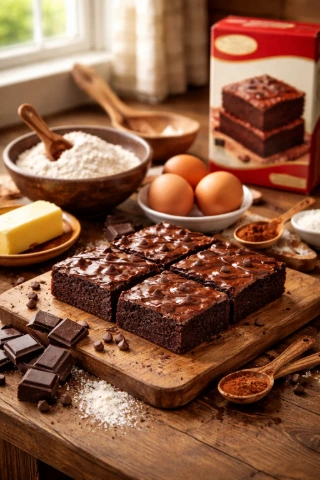
There's a real difference between a brownie that tastes like chocolate and one that tastes like brownie mix. Most people know it the moment they bite in.
Box mixes are genuinely convenient. On a Tuesday night with 40 minutes to spare, that's not nothing. But convenience comes with trade-offs that are easy to overlook until you've made the same recipe from scratch and realized what you've been missing.
Flavor Starts With Ingredients
Mixes rely on shelf-stable components – partially hydrogenated fats, powdered egg, artificial vanilla, and cocoa that's been processed to last two years in a pantry. None of those choices are made with flavor as the priority. When you bake from scratch, you choose real butter, fresh eggs, and quality chocolate or cocoa. That alone changes the result significantly. A brownie made with 70% dark chocolate tastes nothing like one made with dutched cocoa powder from a packet.
Sweetness is another issue. Most mixes are calibrated for maximum crowd appeal, which usually means very sweet. Scratch baking lets you dial that back. Reduce the sugar by 20 grams and you get more chocolate presence. Add a half teaspoon of flaky salt on top and the whole thing shifts.
Control Is the Real Advantage
Understanding what each ingredient does is where scratch baking genuinely earns its place. Flour controls structure. Fat controls richness and chew. Eggs affect both lift and density. Once you know that, you can troubleshoot. If your brownies came out cakey last time, you know to check your egg ratio or your flour measurement.
Mixes don't teach you any of that. You follow instructions, get a result, and have no real idea why it turned out the way it did. Repeating a good result – or fixing a bad one – becomes guesswork.
Pan size, mix-ins, baking time adjustments – all of it becomes manageable once you understand the base recipe. That's something no box can give you.
The Core Ingredients That Shape Every Pan
Each ingredient in a brownie or square does a specific job, and when you're working with a small, compact bake, there's nowhere to hide a mistake.
Butter
Melted butter gives brownies their dense, fudgy texture. Creamed butter traps air and produces something lighter. Most brownie and square recipes call for melted butter precisely because you don't want lift. Use unsalted butter so you control the salt level yourself. Cold butter straight from the fridge won't incorporate properly, so give it time to reach room temperature when a recipe asks for softened.
Sugar
White sugar keeps things crisp and helps form that papery top crust brownies are famous for. Brown sugar adds moisture and a faint molasses depth. Some recipes use both. Sugar also affects how long a bake stays soft after it cools, so swapping one type for another isn't always a safe shortcut.
Eggs
Eggs provide structure and chew. More eggs push a brownie toward cakey. Fewer eggs, or just yolks, keep things dense and rich. Room temperature eggs blend more evenly into batter than cold ones pulled straight from the fridge.
Flour
Low flour content is what separates a fudgy brownie from a cake. Most brownie recipes use far less flour than you'd expect. Spoon flour into your measuring cup and level it off. Scooping directly compacts the flour and can add 20 percent or more than the recipe intends, which makes the final texture noticeably drier and firmer.
Chocolate and Cocoa
Dutch-process cocoa produces a darker, smoother flavor. Natural cocoa is sharper and more acidic. Melted chocolate adds fat alongside flavor, which changes the texture of the finished bake. The two aren't always interchangeable, especially when leavening is involved.
Salt and Leavening
Salt sharpens chocolate flavor in a way that's hard to explain until you taste a batch made without it. Leavening, usually baking powder, appears in cakier squares but rarely in fudgy brownies. When a recipe skips it entirely, that's intentional.
Common Beginner Mistakes With Brownies, Cookies, and Squares
Most baking problems have a single, fixable cause. The hard part is knowing where to look.
Overmixing the Batter
Stirring too long after adding flour develops gluten, which turns brownies tough and cakey instead of dense and fudgy. Once the flour disappears into the batter, stop. Ten extra seconds of mixing matters more than most beginners expect.
Using the Wrong Pan
A glass dish holds heat differently than a metal one. Metal conducts heat faster, which means your edges set quickly while the center catches up. Glass heats slowly and then stays hot, which often leads to overbaked edges and a gummy middle. If a recipe calls for an 8-inch metal pan and you use a 9-inch glass dish, you're changing two variables at once. Use what the recipe specifies.
Measuring Inaccurately
Scooping flour directly from the bag packs it down and adds up to 20% more than the recipe intends. Spoon flour into the measuring cup and level it off. With sugar, butter, or cocoa, even small errors shift the texture noticeably. A kitchen scale removes the guesswork entirely.
Swapping Ingredients Without Thinking
Replacing butter with oil changes the moisture content and the way the batter sets. Using Dutch-process cocoa instead of natural cocoa affects how the leavening reacts. These swaps aren't always disasters, but they're rarely neutral. If you're new to a recipe, make it as written first.
Overbaking and Misreading Doneness
Brownies look underdone when they're actually finished. The toothpick test fails here – a clean toothpick usually means you've gone too far. Pull the pan when the center looks barely set and the edges have just pulled away from the sides. They firm up as they cool.
Cutting Before Cooling
Squares that fall apart almost always get cut too soon. The structure needs time to set. An hour at room temperature is the minimum. Refrigerating for 20 minutes speeds things up without harming texture.
How Bakers Build Consistency in Simple Desserts
Repeatable results rarely come from natural talent. They come from a set of quiet habits that most confident home bakers develop without even realizing it.
Read the Recipe Before You Touch Anything
The single most common reason a batch goes wrong is a surprise mid-way through. You realize the butter needed to be at room temperature an hour ago, or the pan should have been lined before the batter was mixed. Reading the full recipe once, slowly, before starting eliminates most of those moments. You are not memorizing it. You are just making sure nothing catches you off guard.
Prepare the Pan Properly
Greasing alone is rarely enough for brownies and squares. Line your pan with parchment, leaving an overhang on two sides. That overhang becomes a handle, letting you lift the whole slab out cleanly before slicing. It sounds minor. It changes everything about how cleanly your bars come out.
Weigh Your Ingredients When You Can
A cup of flour can vary by 20 to 30 grams depending on how it was scooped. That difference shifts texture noticeably in a low-flour batter like brownies. A basic kitchen scale costs around fifteen dollars and removes the guesswork entirely. Grams are consistent. Cups are not.
Know Your Oven's Real Temperature
Most home ovens run hot or cold by 10 to 25 degrees. An oven thermometer, hung on the middle rack, tells you what temperature is actually in there. Once you know the gap, you can adjust. Without it, you are baking blind.
Watch the Visual Cues, Not Just the Timer
Timers are a starting point. What matters is what you see. Brownies are done when the edges look set and the center has just stopped wobbling. A toothpick should come out with moist crumbs, not wet batter. Write down what worked when it works. That note becomes your reference for next time.
Cool Completely Before Slicing
Cutting into warm brownies or squares is the fastest way to ruin a clean result. The interior is still setting. Give them a full hour at room temperature, or longer. Patience here is not optional.
Consistency is not a personality trait. It is paying close attention, repeating a method, and learning how your batter should look and feel at each stage.
Small Upgrades That Make Homemade Desserts Better
Once the basic recipe is reliable, improving brownies and squares becomes less about complicated techniques and more about small, deliberate choices. A few changes can deepen flavor, improve texture, or make a familiar dessert feel more finished without turning a simple bake into an all-day project.
The key is to change one or two things at a time. Adding several new ingredients or techniques at once makes it difficult to tell what actually improved the result. Start with a solid base recipe, then experiment gradually.
- Toast nuts before adding them. Walnuts, pecans, and hazelnuts develop a stronger flavor after a short spell in the oven. Let them cool before folding them into the batter.
- Add espresso powder to chocolate desserts. A small amount can make chocolate taste deeper without making the finished brownie taste noticeably like coffee. Around half a teaspoon is often enough for an average pan.
- Finish with flaky salt. A light sprinkle over warm brownies balances sweetness and sharpens the chocolate flavor. Use it sparingly so it remains a contrast rather than becoming dominant.
- Mix textures deliberately. Soft brownie batter works well with toasted nuts, chocolate chunks, crushed biscuits, or a thin caramel layer. The contrast makes each bite more interesting.
- Use better chocolate where it matters. Chocolate chips are convenient, but chopped chocolate often melts into irregular pockets that give homemade brownies a richer texture.
- Chill before making clean cuts. If presentation matters, refrigerate the fully cooled slab for 20 to 30 minutes before slicing. A sharp knife wiped clean between cuts produces much neater squares.
None of these ideas requires advanced baking knowledge. They simply build on the basic principles of good ingredients, accurate measurements, and careful timing. Once you understand the original recipe, small adjustments like these let you create a version that feels more personal while keeping the dependable texture that made the recipe worth repeating in the first place.
Scratch Baking Makes Better Desserts and Better Bakers
Every batch of brownies made from scratch teaches you something a box mix never will. When you measure the cocoa, melt the butter, and choose whether to add an extra yolk for richness, you are making decisions that shape the final result and you remember those decisions next time. That kind of hands-on understanding is what separates bakers who follow instructions from bakers who actually know what they are doing. Scratch baking gives you real control over texture, sweetness, and structure, and it makes troubleshooting far easier when something goes wrong. Start with one reliable recipe, repeat it until the steps feel natural, and trust that confidence builds faster than most beginners expect. The skills carry over – from brownies to squares to whatever comes next.